
The True History of RPG Dice
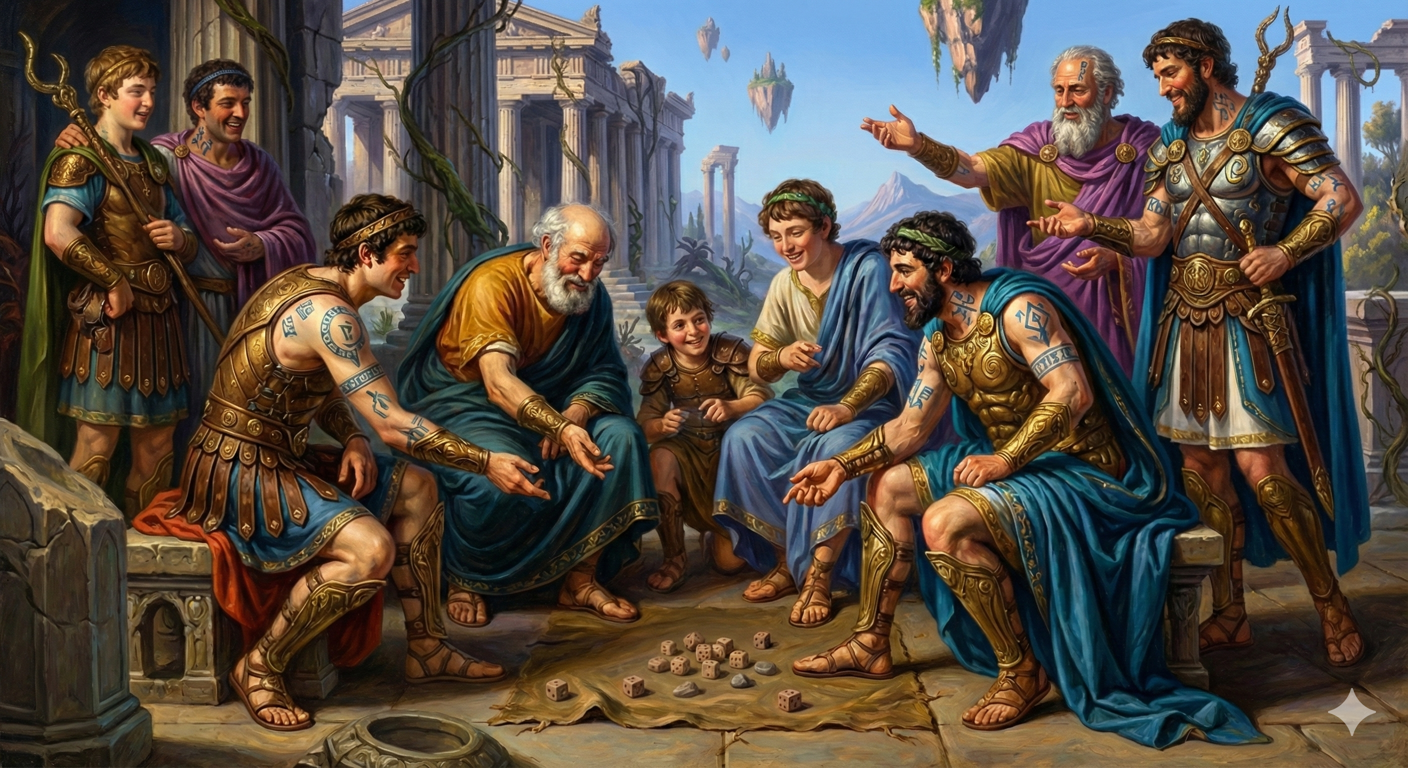
If you're like me, you probably have a box (or a drawer, or a room) full of polyhedra that you only use to see how they sparkle under the desk lamp. But have you ever stopped to think why we roll a d20 to see if that orc rips our head off and not, say, a coin or a handful of bones?
Well, it turns out that "bones" isn't just a figure of speech. Grab your lucky d6, we're going time traveling.
The First Impression: We Didn't Invent Anything New
Sometimes we think we're very modern with our resin dice filled with glitter and tiny skulls, but the reality is we're copycats. The history of gambling and board games is almost as old as humanity itself, and we've always sought a way to let the "gods" (or pure chance) decide our fate.
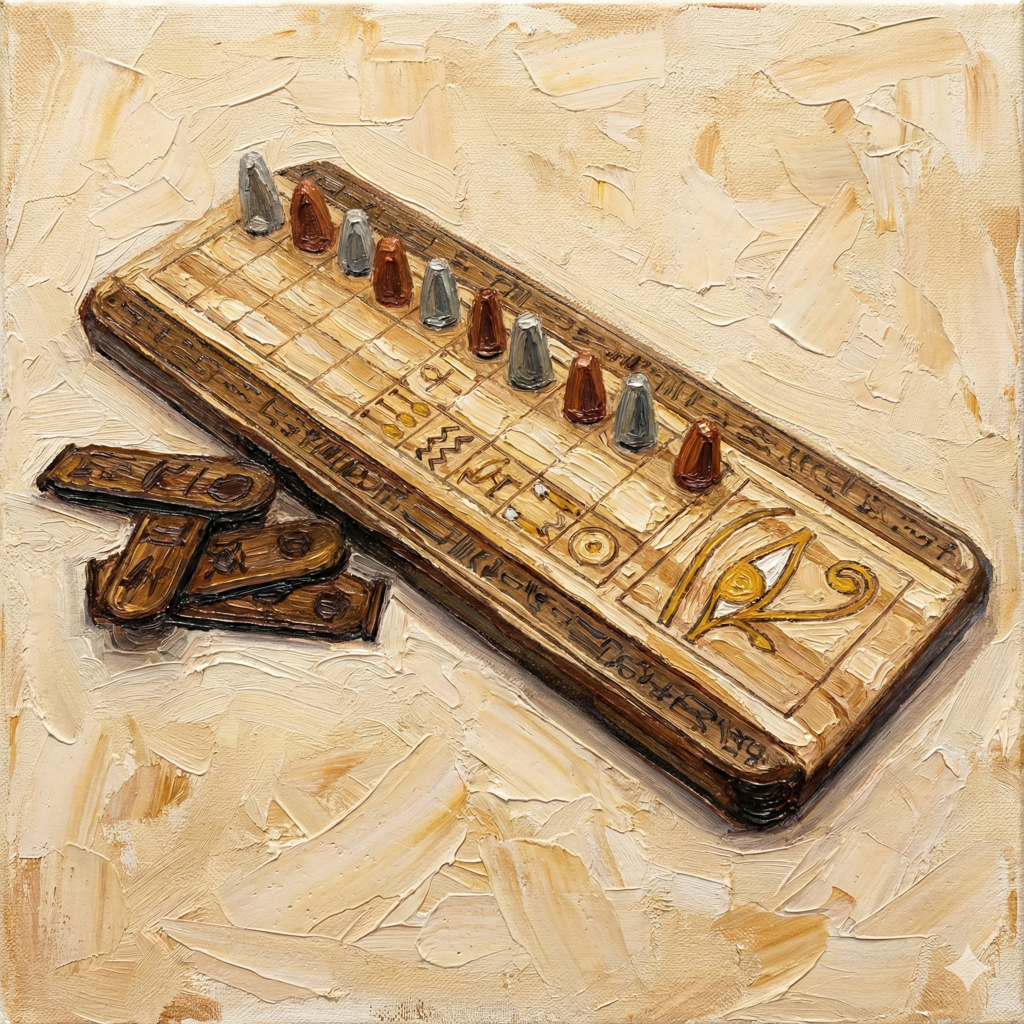
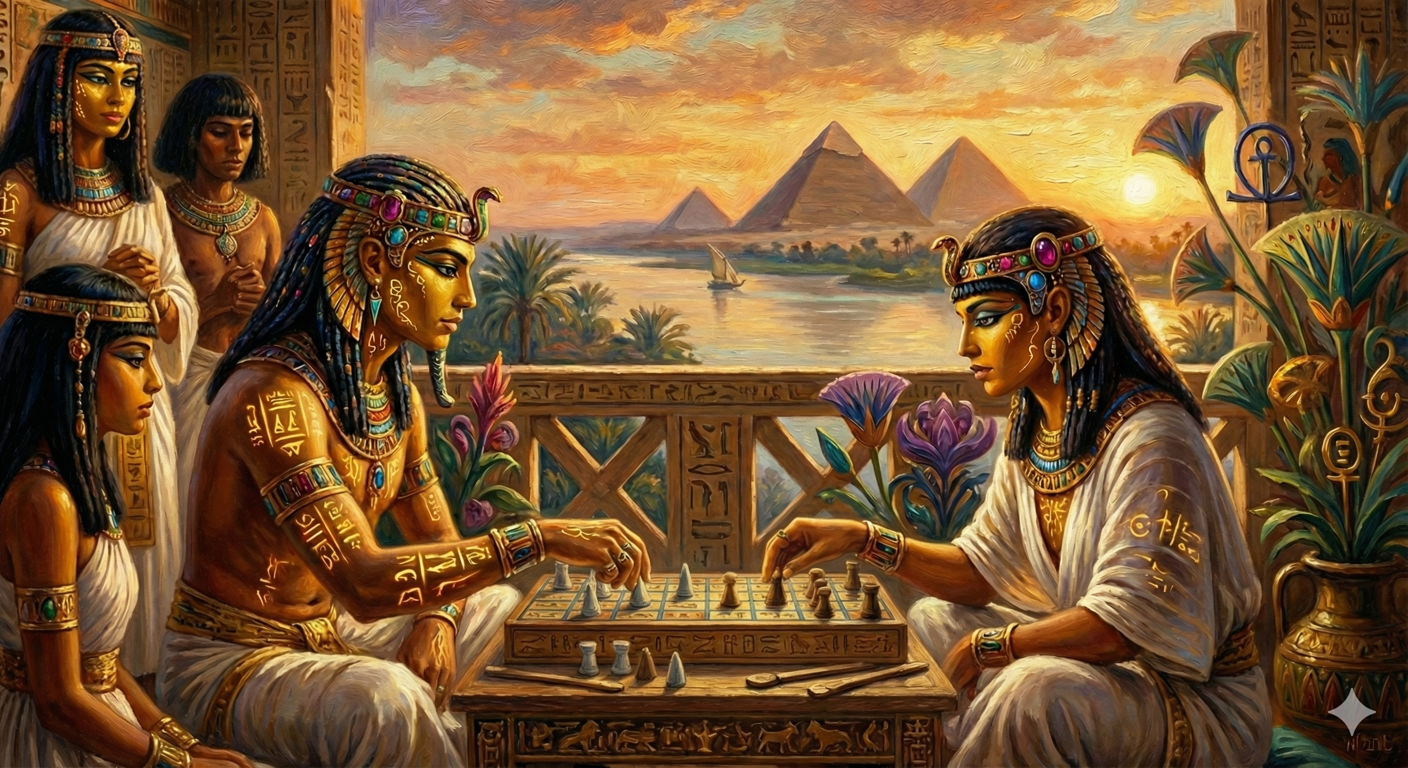
The ancient Egyptians were already hooked on Senet more than 5,000 years ago. They didn't use perfect cubes, but sticks or wooden tablets with one side painted and the other plain. They were, essentially, two-sided dice (d2). Depending on how many sticks fell on the painted side, you moved your pieces. It was the "D&D" of the pharaohs, a game with a strong spiritual component where winning meant the gods protected you in your journey to the underworld.
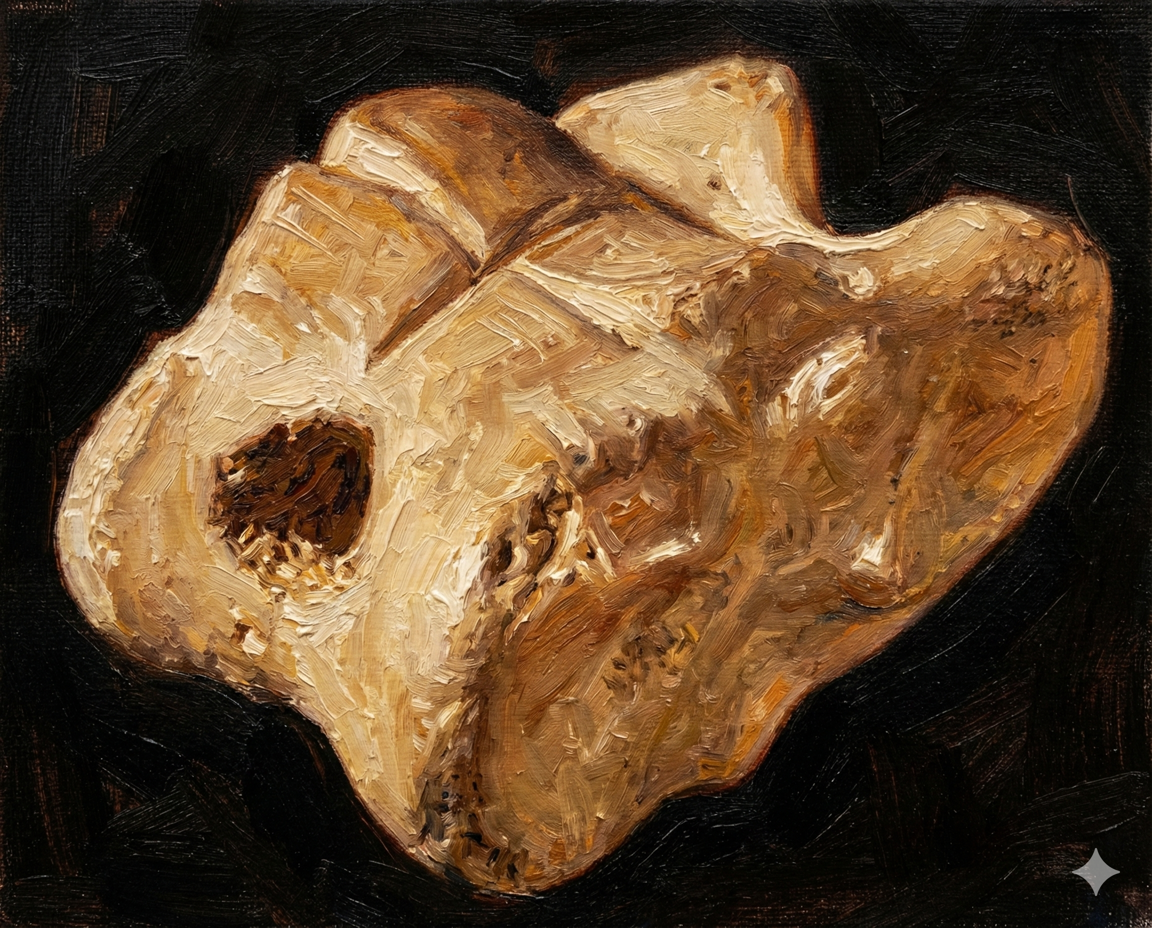
But the true ancestors of our addiction were the Greeks and Romans with their knucklebones (astragali). These were bones from the ankles of sheep or goats. These bones have an irregular shape with four usable faces: one flat, one concave, one convex, and one sinuous. They didn't have numbers per se, but assigned values: the side of "unity", "three", "four", and "six". Rolling four knucklebones and getting different results on each was the "Venus Throw", the critical success of the time.
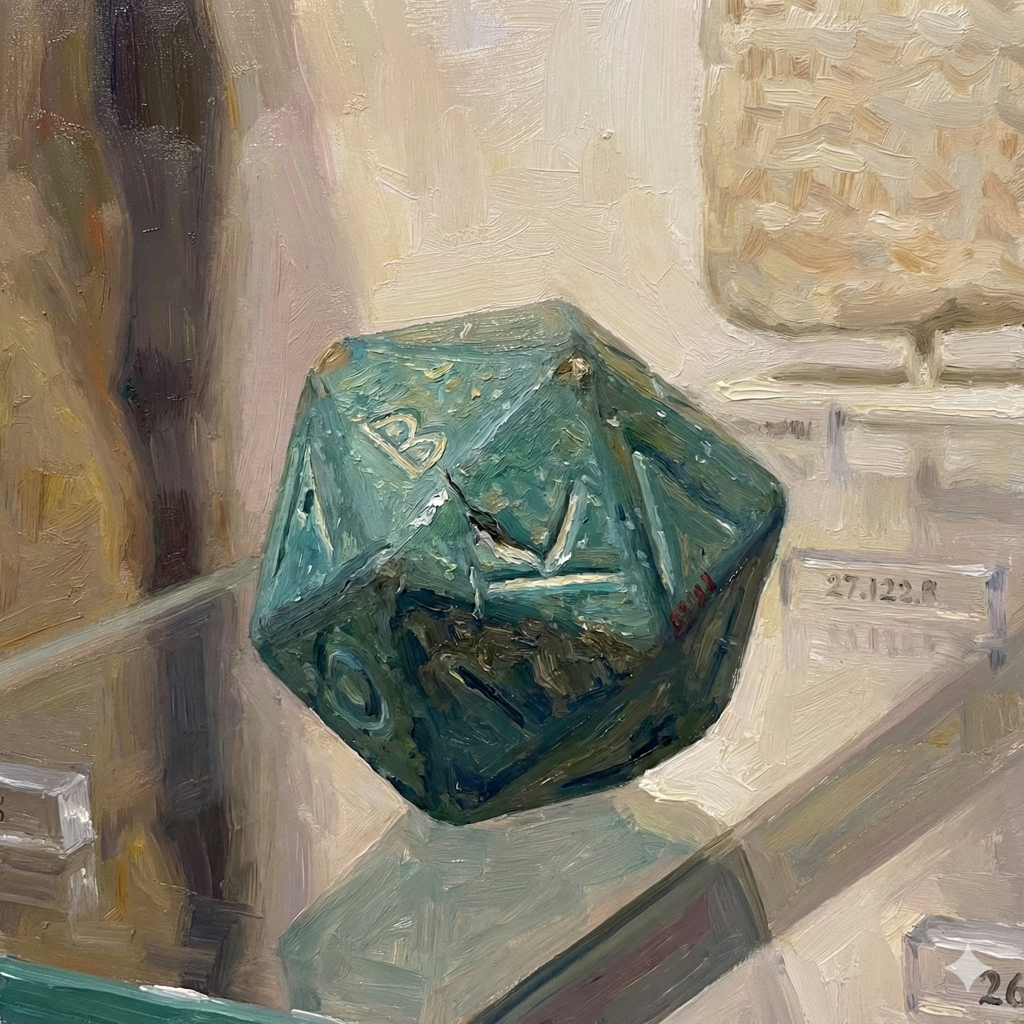
What blew my mind the most while researching this is discovering that the d20 already existed in the Ptolemaic era (Egypt, 2nd century B.C.). It's not an exaggeration: the British Museum holds a perfect icosahedron made of serpentine with Greek symbols engraved on its 20 faces. It is believed that it was not used to play Parcheesi, but for cleromancy (divination through chance). Imagine an Egyptian priest making a saving throw to interpret the will of the stars. So, the next time you roll a fumble, remember that two thousand years ago someone probably lost their tunic (or divine favor) for a roll just as bad.
The Heart of the System: From Classrooms to Dungeons
Here is where it gets interesting for us. Gary Gygax and Dave Arneson were not game designers in the usual sense; they were old-school wargamers. In the world of miniature wargames (like Chainmail), the absolute king was the d6. Everything was resolved with handfuls of white cubes. But when they started to focus on individual characters and not on battalion battles, the d6 fell short. They needed granularity. They needed that 5% chance of a critical hit to be real.
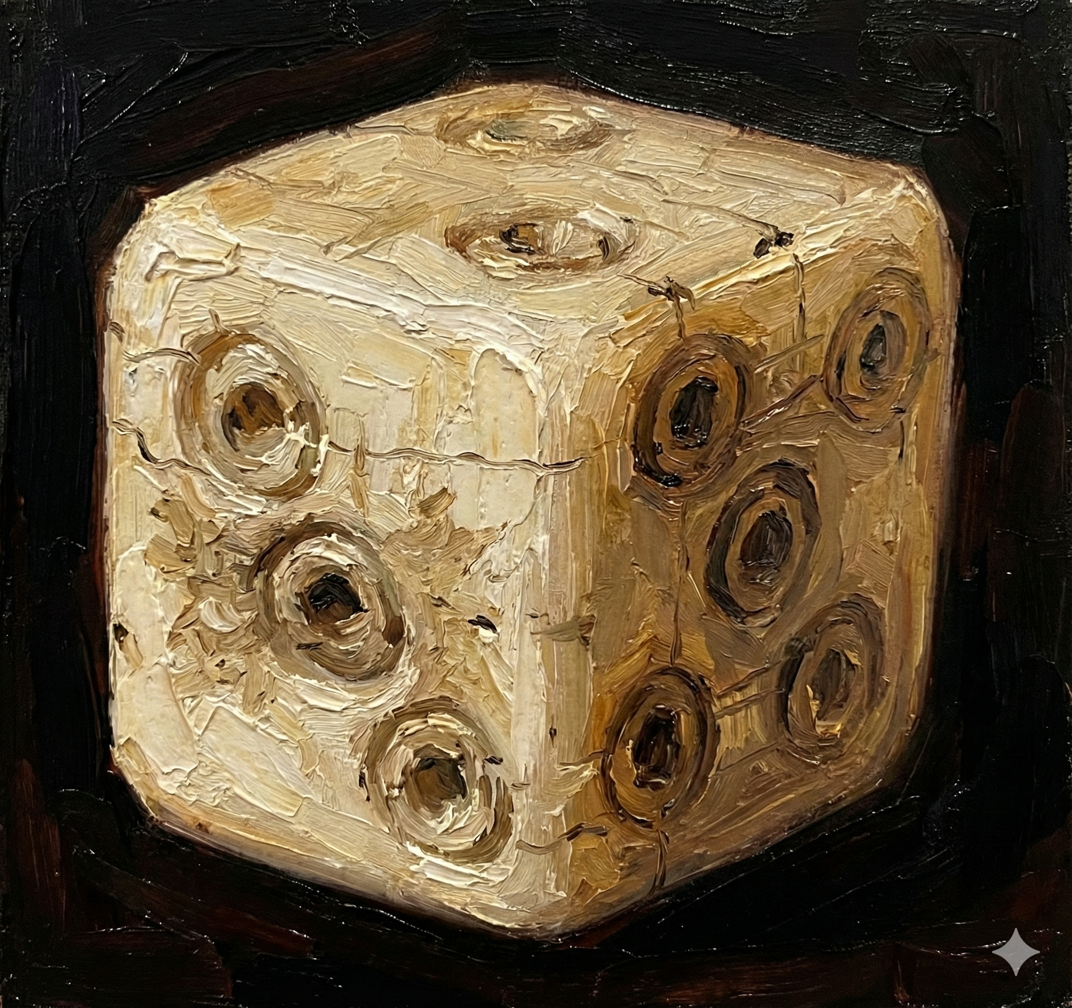
Here comes the anecdote that every "grognard" should know: In 1971, Gygax was browsing an educational supply catalog called Creative Publications. He wasn't looking for elven weapons, but teaching materials. There he found "Plastic Platonic Solids" designed to teach geometry in California schools. These dice were yellow, made of soft plastic that wore down just by looking at it, and didn't come with painted numbers.
What I find craziest is imagining the first D&D players using a crayon to fill in the grooves of the numbers so they could be read. If we complain today because a die is "hard to read", imagine having to "manufacture" legibility yourself every three games.
And now, let's address the elephant in the room: The d10. If you notice, it's the only one in the standard set that isn't a Platonic solid (it's a pentagonal trapezohedron). In the first D&D sets of 1974, the d10 didn't exist. Players used the d20, which was numbered 0 to 9 twice. To know if you had rolled a 1 or an 11, you had to paint half the numbers a different color. The "modern" d10 didn't become popular until 1980 thanks to a company called The Armory. It was a geometric "intruder" that came to stay, becoming the engine of entire systems like Call of Cthulhu or World of Darkness.
The Lineage of Dice: From 1974 to 2025
Since role-playing became professionalized, dice have ceased to be simple number generators to become the soul of games. Here is the family tree of the systems that have marked our tables:
1. The Big Bang (1974): Dungeons & Dragons
Main Die: The set of Platonic solids (d4, d6, d8, d12, d20).
The Revolution: Gary Gygax introduced the d20 as the resolution engine. At first, the dice were of such bad plastic that they rounded themselves, but they defined the "granularity" of 5% per face that we still use today!
2. The Percentile Horror (1981): Call of Cthulhu
Main Die: d100 (two d10s).
The Revolution: Chaosium taught us that the lower you roll, the better. The BRP (Basic Role-Playing) system turned skills into real percentages, making the horror much more tangible. If you have 30% in "Library Use", you know exactly how dead you are.
3. Dice Pools and Drama (1991): Vampire: The Masquerade
Main Die: Handfuls of d10s.
The Revolution: The Storyteller system changed addition for counting successes. The total didn't matter anymore, but how many dice beat a difficulty. It was the beginning of gothic-punk roleplaying and players having to buy wheelbarrows of d10s.
4. Narrative in 2d6 (2010): Apocalypse World (PbtA)
Main Die: 2d6.
The Revolution: Vincent Baker proved you don't need a thousand polyhedra for incredible drama. The partial success (7-9) changed roleplaying forever: "You get what you want, but it's going to cost you". It is the engine of gems like Dungeon World or Monsterhearts.
5. The Era of Refinement (2014-2023): D&D 5e and Advantage
Main Die: 2d20 (higher or lower).
The Revolution: The Advantage/Disadvantage mechanic replaced tedious mathematical modifiers with something visual and physical: rolling two dice and keeping the best. Elegant, fast, and addictive.
6. The New Wave and the Future (2024-2025): Daggerheart and MCDM
Main Dice: 2d12 (Daggerheart) / Variable "Power" Dice (MCDM).
The Revolution: We are seeing fascinating experiments. Daggerheart (from Critical Role) uses two d12s: one of "Hope" and one of "Fear", where it not only matters if you hit, but which die is higher. On the other hand, MCDM's new game breaks with the traditional attack roll to ensure heroes always do something heroic.
Conclusion: The Weight of Destiny in Your Hand
We have gone from goat bones to laser-engraved precision dice, but the feeling is the same. Whether it's the 2d12 of the new generation or the classic d20 Gygax pulled from a geometry box, every time we roll a die we are connecting with a millennia-old tradition.